Latest News
The Kitchen – Why selecting the right location is key to your floor plan
5 Minute Read
23/04/2026


Excepteur sint occaecat cupidatat non proident, sunt in culpa qui officia deserunt mollit anim id est.
5 Minute Read
23/04/2026
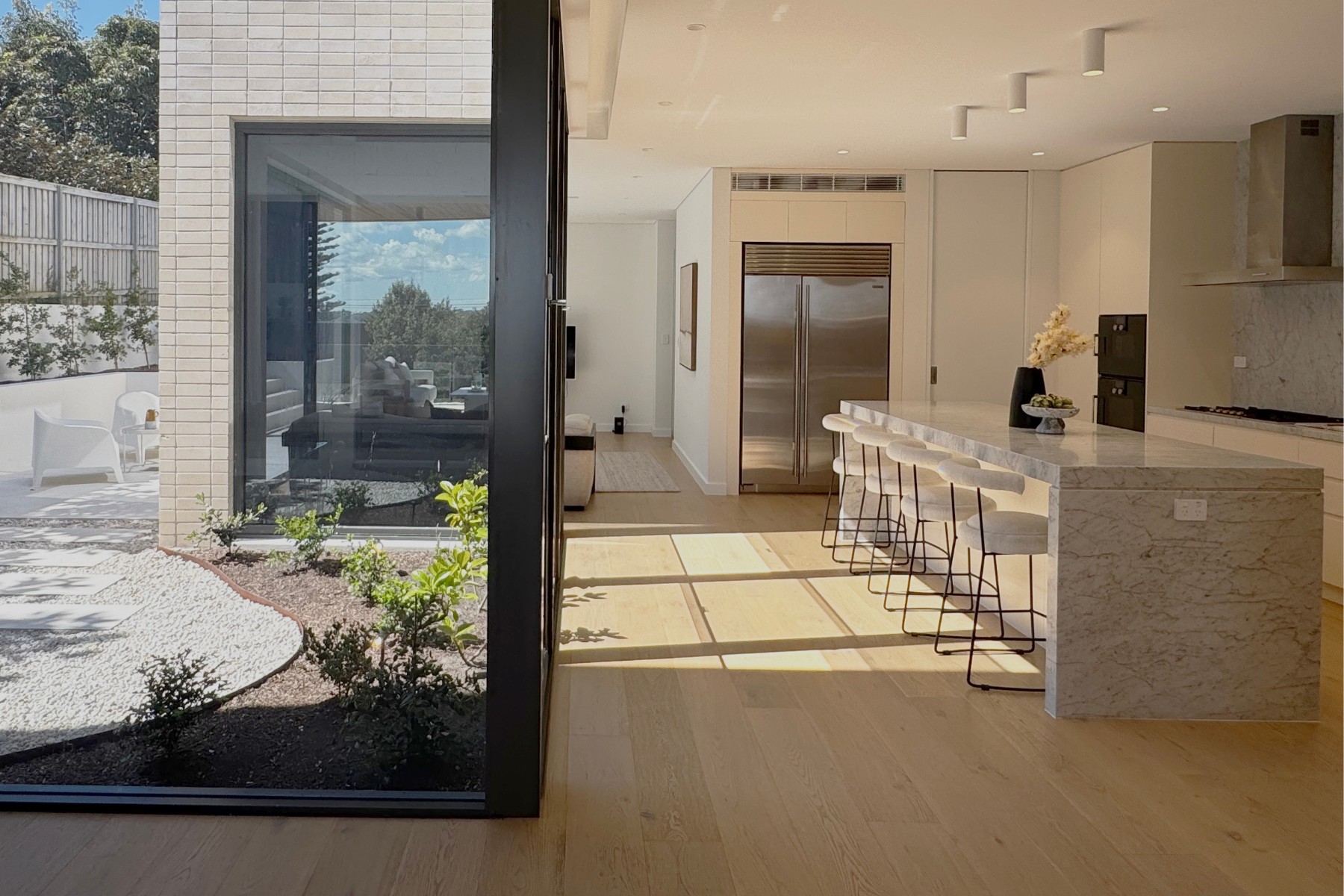
Photo 1: AZ HOUSE – The kitchen and living spaces are located around a North-facing courtyard
Where should the kitchen be located?
And more importantly:
Would changing the location of the kitchen improve the entire floorplan?
THE KITCHEN AS THE HEART OF THE HOME
The kitchen is one of the most used and most important spaces in a home. It is where the day begins, meals are prepared, and where people naturally gather.
Because of this intensity of use, the kitchen has a unique role: wherever it is placed, it will shape how the surrounding spaces are used.
But this hasn’t always been the case.
Historically, kitchens were located away from the main house. Often in the backyard due to smoke, heat and the presence of service staff. As technology improved and domestic life evolved, kitchens moved indoors. By the 1950’s, open-plan living brought the kitchen in direct connection with the living and dining spaces, making it part of everyday life.
Today, there is a subtle shift again. In many homes, the kitchen is still connected to living spaces but often in a slightly more defined and offset position. Kitchens generate noise, activity and visual clutter, so a degree of separation, while maintaining connection, can create a better balance.
LOCATION AND LAYOUT BEFORE THE FINISHES
When designing a kitchen, many people focus on finishes and appliances. However, the decision that has a greater impact comes much earlier:
Is the kitchen in the right place and the correct size? Does it work well with the spaces surrounding it?
The location of the kitchen affects how the spaces connect and flow and how easily daily routines unfold.
For families, this becomes even more important. Being able to see the living areas or the garden from the kitchen can significantly improve how the home functions day to day.
A well-located kitchen should also benefit from good natural light, ventilation and a connection to outdoor spaces where possible. If your kitchen adjoins a backyard or external area for example, that area is a lot more likely to be used regularly.
But how does that look in a real context?
Below we look at a couple of kitchens we designed and how their location determined the flow of the floor plan.
THE KITCHEN AROUND A COURTYARD
At the AZ House, the kitchen is located at the centre of the home, connected but not fully opened to the main living areas. That layout creates a defined zone for the kitchen and some separation between living and the everyday use of the kitchen.
The two living rooms and kitchen are arranged around the North-facing courtyard. This configuration allows natural light to enter the home while maintaining strong visual connection between spaces.
The result is a kitchen that feels bright, connected to the landscape and central to the experience of the home.
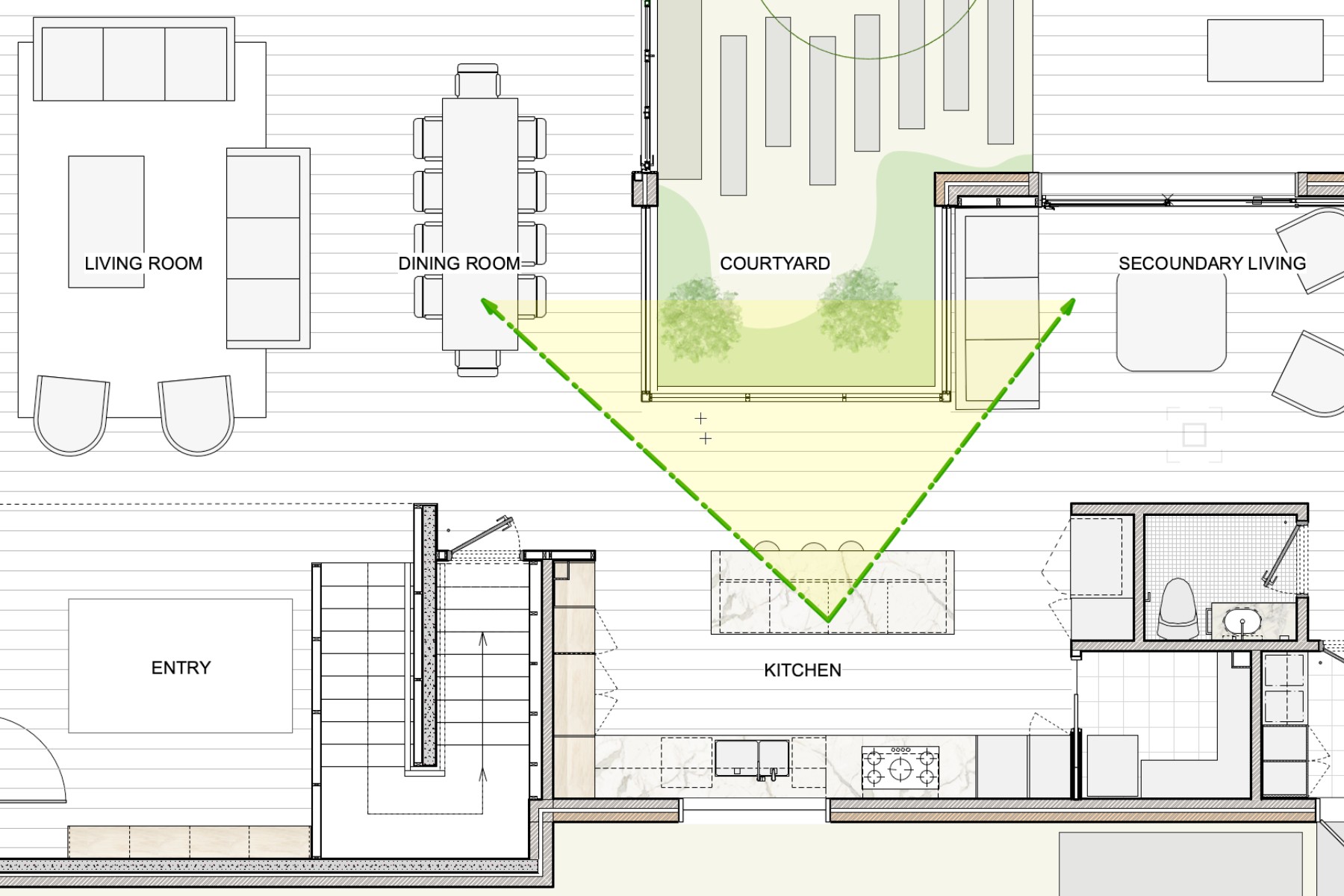
IMAGE 2 : AZ HOUSE – The floor plan showing the spaces arranged around the courtyard
THE KITCHEN CONNECTED TO THE BACKYARD
In the IC house, we moved the existing kitchen towards the backyard for a better connection to the outdoors.
The original position of the kitchen didn’t allow for its integration with the outdoor and the client felt the backyard was rarely used.
By relocating the kitchen to the rear of the property, the house opened directly to the garden. A new BBQ area was placed adjacent to the kitchen and large openings created a seamless indoor – outdoor experience.
This single move transformed not only the kitchen but the way the entire house and backyard are used.
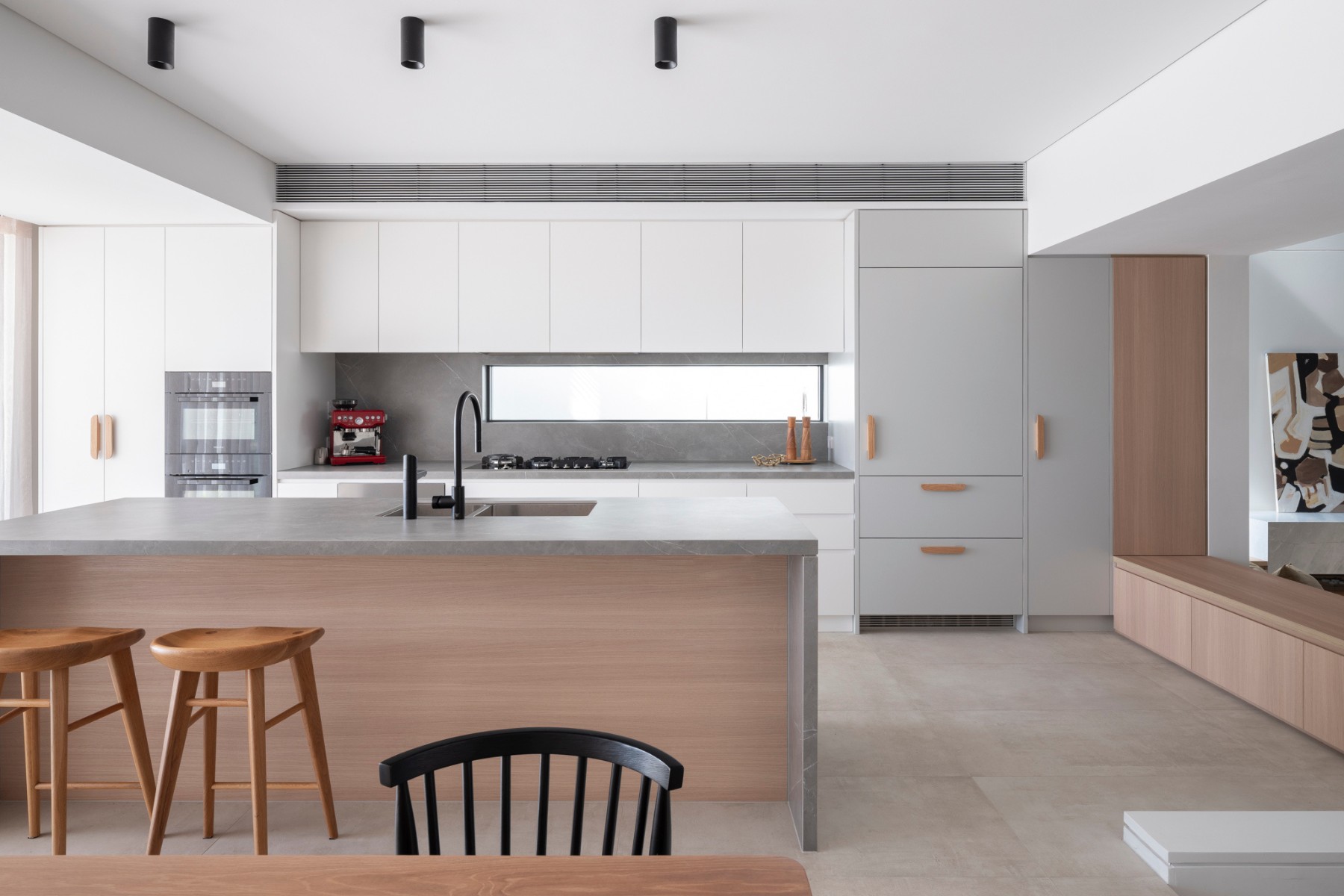
Photo 3: IC HOUSE – The kitchen and dining room were moved to the back of the property opening to the backyard
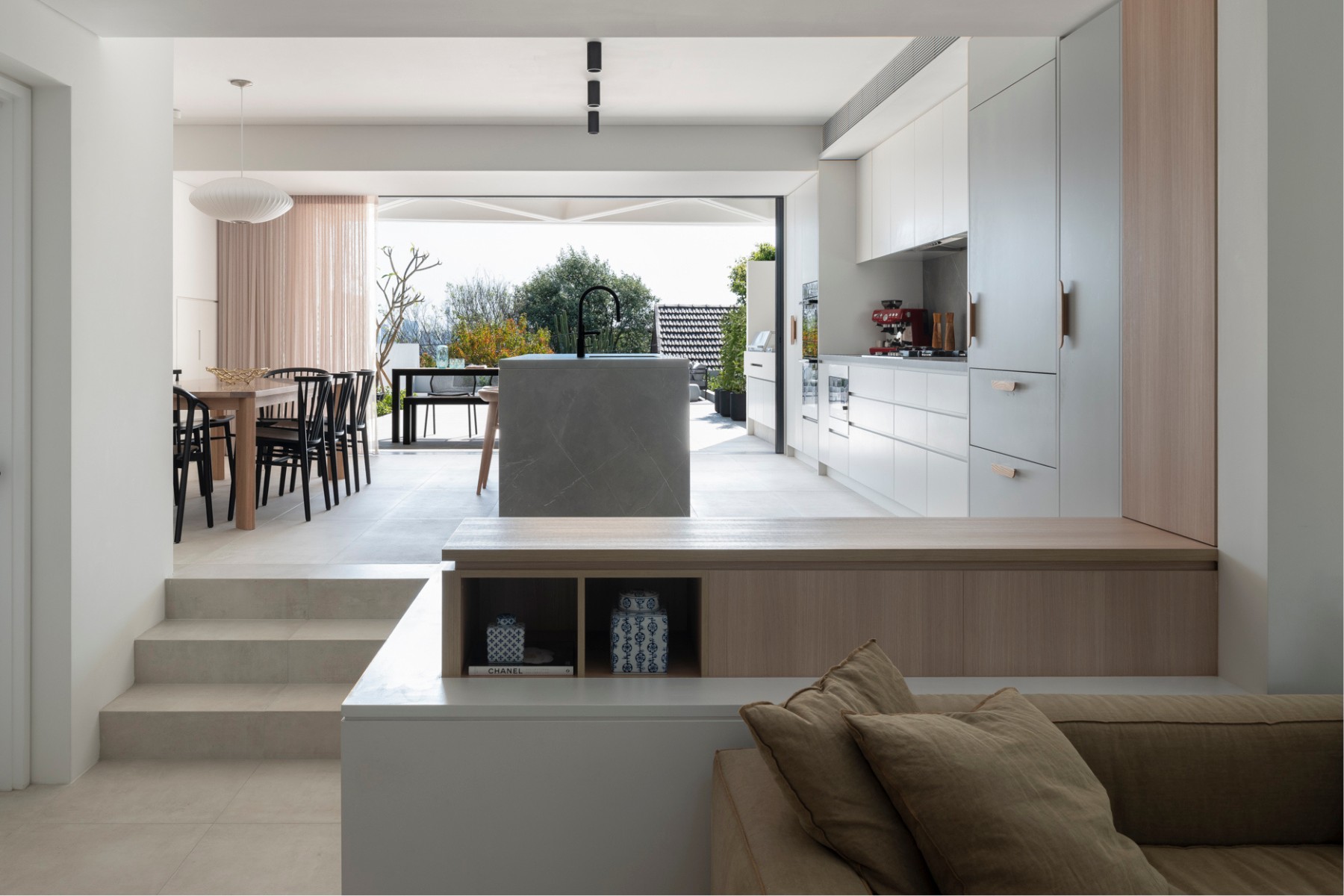
Photo 4: IC HOUSE – The sequence of living, kitchen and BBQ area connected to the outdoors
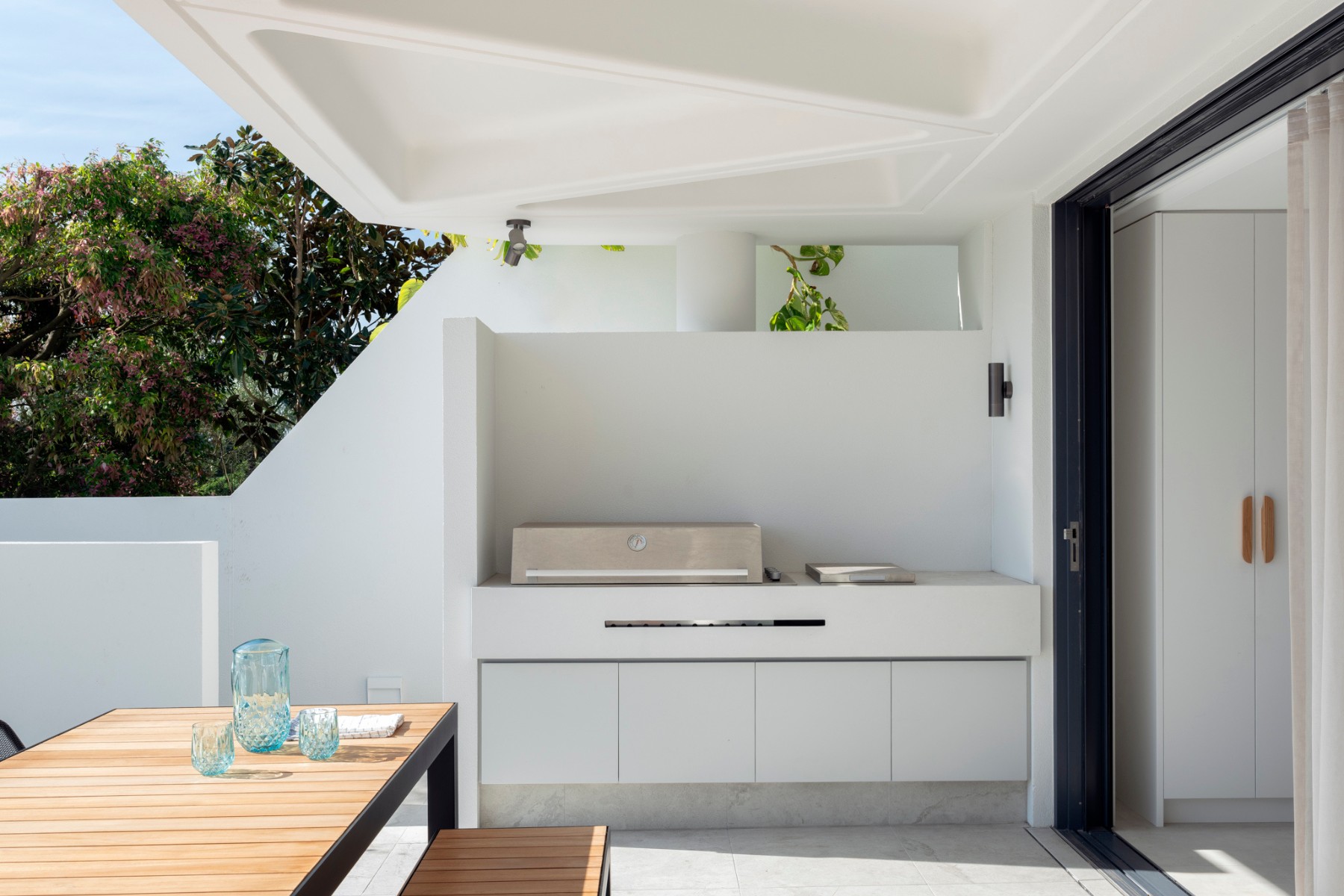
Photo 5: IC HOUSE – The BBQ area adjacent to the kitchen
THE KITCHEN IN A VICTORIAN TERRACE – working with existing constraints
At the AC terrace in Lewisham, the kitchen remained in its original location. However, strategic changes around it allowed for significant improvements.
The kitchen was opened to a North-facing side deck that had previously been underused. The relocation of the laundry also played an important role in improving the connection to the covered alfresco.
As a result, the kitchen became brighter, more connected and better aligned with the everyday life of the family.
The space now incorporates a nice and informal dining table within the kitchen, replacing the need for a separate formal dining room [unused by the family]
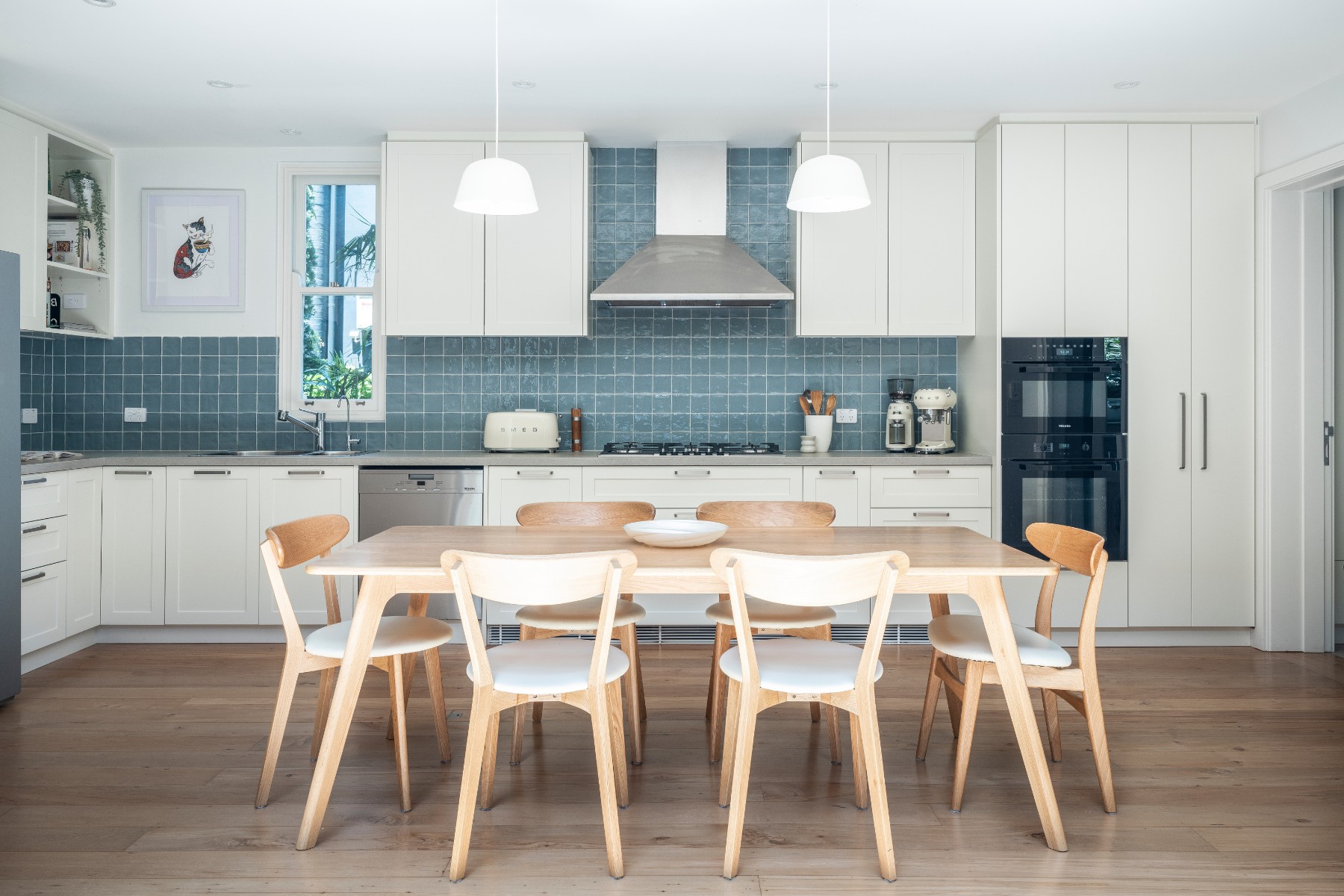
Photo 6: AC Terrace – The practical Kirchen has a relaxed and informal feel with an adjoining dining table for everyday meals.
Key Questions to Ask
When deciding where to place your kitchen in your floor plan, consider:
A DECISION THAT SHAPES EVERYTHING ELSE
Once the kitchen location is decided and the floor plan flow is locked in, you can start thinking of each kitchen element such as storage, lighting, appliances, finishes, etc.
Locating the kitchen is a key decision, so it is worth taking the time to understand where the best place is and how it will benefit the floorplan.
So don’t rush it. Ask yourself: Does the current location feel right?
And if you are unsure of the answer, we are here to help. This is a decision you don’t want to regret later!