Latest News
BUYING A SITE TO BUILD A HOME IN 2026: 6 things to look for before you buy
5 Minute Read
19/01/2026


Excepteur sint occaecat cupidatat non proident, sunt in culpa qui officia deserunt mollit anim id est.
5 Minute Read
19/01/2026
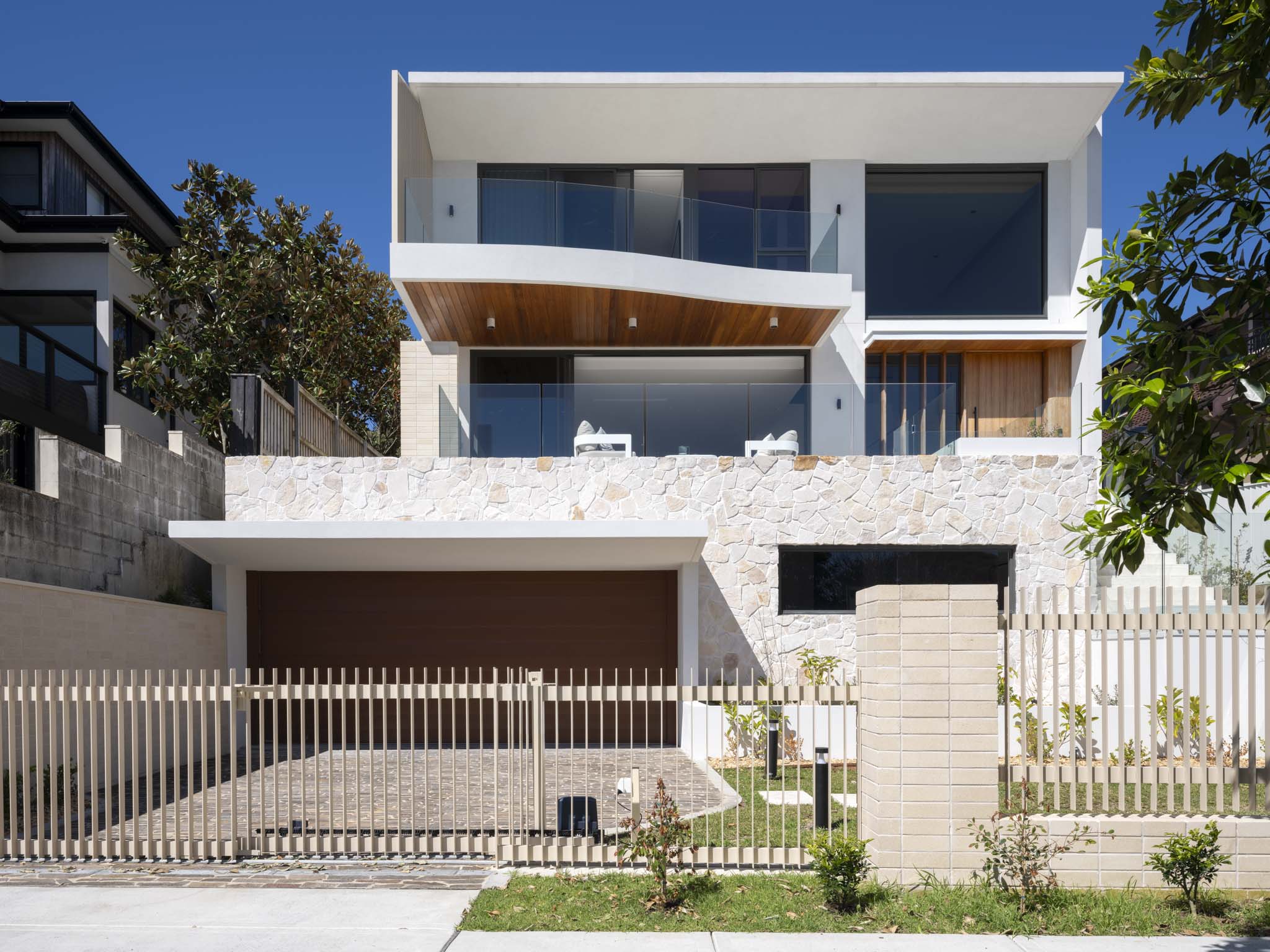
Image 1: AZ House – designed by Cristina Gomes Architecture and Design
How to Inspect a Site the Way an Architect Would
When looking for a site to build your future home, most people begin with the obvious considerations: the suburb, proximity to schools, transport, shops, cafés and lifestyle amenities.
While location is important, it is only the starting point.
Once a site appears to meet your expectations and feels like the right purchase, the next step is to look more closely at what the land itself is offering. Certain characteristics of a site have a significant influence on how your home will eventually be designed, how comfortable it will feel to live in, and how efficiently it can be built.
The key point is this: many of the most important aspects of a site cannot be changed later.
Below are six critical elements you can assess during a site inspection — and which form the foundation of good residential architecture.
1. Sun Orientation
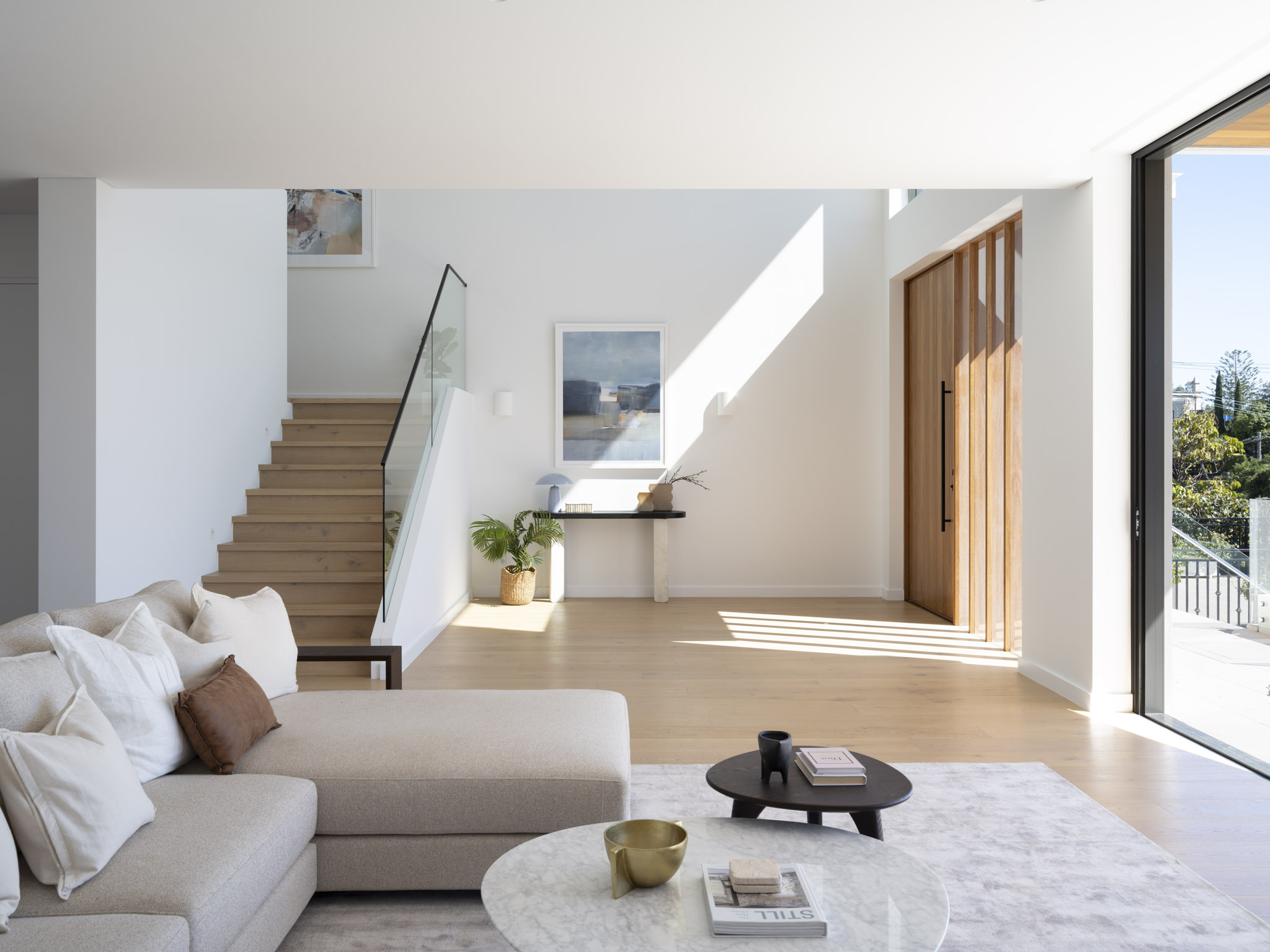
Image 2: Living room with plenty of natural light
Sun orientation is one of the most influential factors in how a home will feel on a day-to-day basis.
In Sydney, sites that allow living areas to face north generally provide better natural light, improved thermal comfort and more enjoyable outdoor spaces. Northern sun is particularly valuable in winter, while eastern light can bring beautiful morning sun to bedrooms and living areas.
During an inspection, take note of:
Understanding sun orientation early helps set realistic expectations about how rooms and outdoor areas might be arranged once design begins.
2. Slope
The slope of a site directly affects how a home can be built and how much complexity may be involved.
Gently sloping or near-level sites are generally simpler to work with, allowing easier access, more straightforward construction and a closer relationship between indoor and outdoor spaces.
Steeper sites can offer views and strong architectural potential, but they often require excavation, retaining walls and split-level designs. This can influence accessibility, construction cost and how the home connects to the street and garden.
During a site visit, consider:
3. Neighbours and Privacy
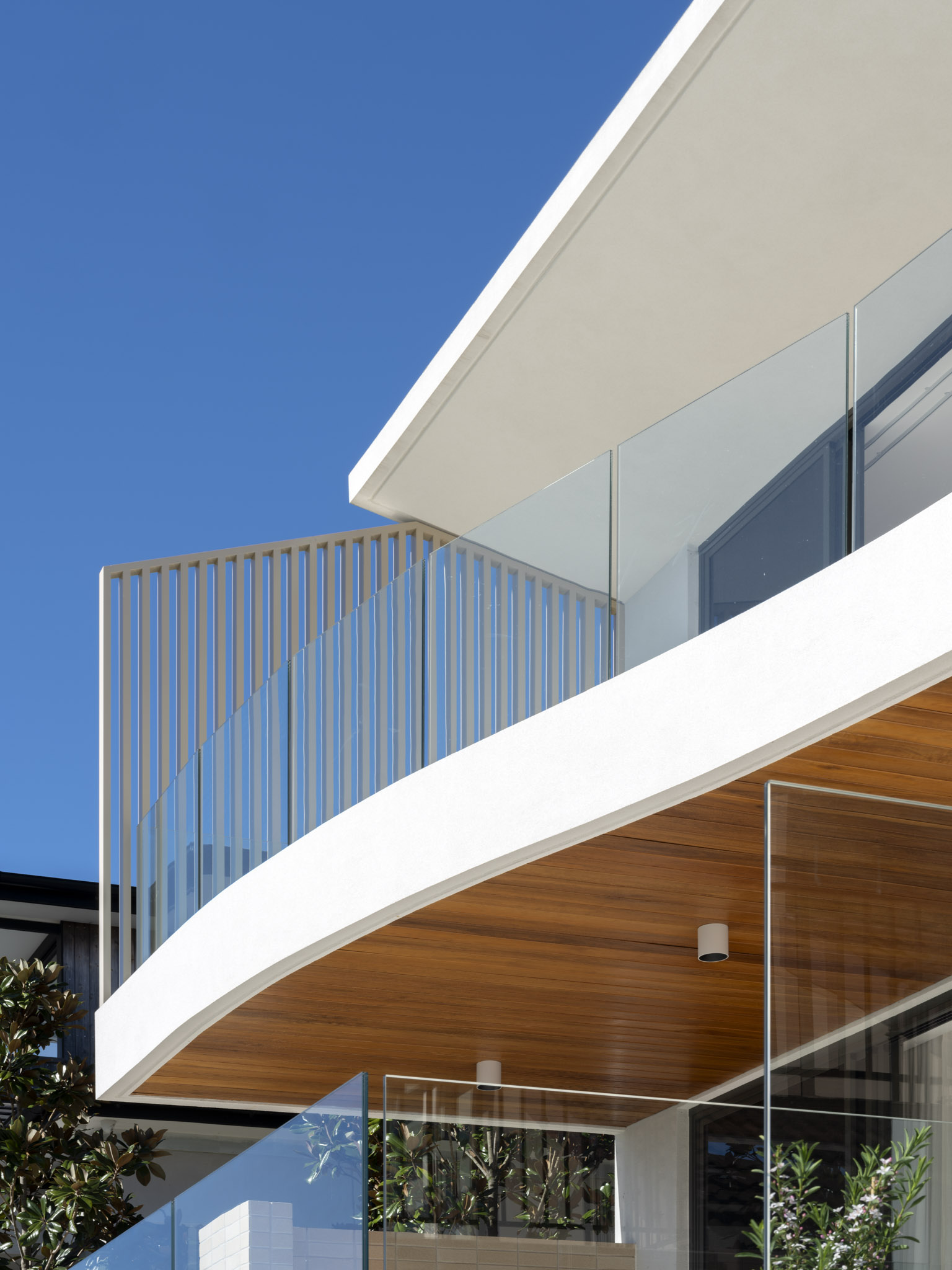
Image 3: Screens can be used as an element to prevent overlooking from existing neighbours
You can change your own house — but not your neighbours’ house.
Neighbouring buildings have a lasting impact on privacy, outlook and sunlight. It’s important to observe what already exists around the site, not just what you plan to build.
Pay attention to:
These elements will later influence how an architect positions rooms, windows and outdoor spaces to protect privacy while still allowing light and views.
4. Trees and Vegetation
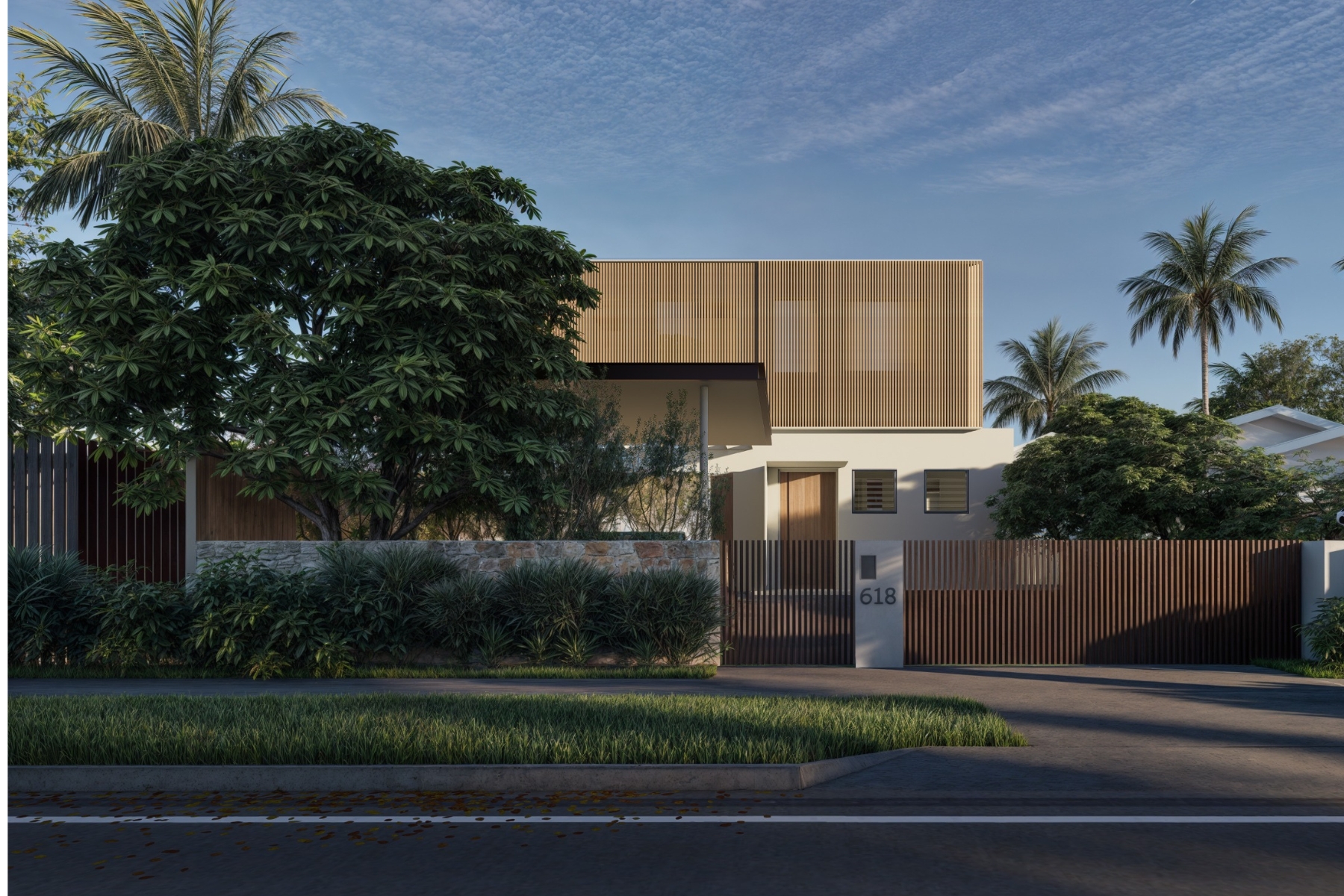
Image 4: In this project the large existing trees were an advantage as they created a buffer between the house and the busy road. The trees were also an element of shade and privacy to the house front yard. The trees’ location determined the street access and driveway location.
Existing trees and vegetation can be one of a site’s greatest assets — or a significant constraint.
Mature trees can provide shade, privacy and a strong sense of character. At the same time, their location can affect where a house, pool or driveway may sit.
During inspection, notice:
Being aware of trees early helps avoid surprises later and allows them to be thoughtfully integrated into the design where possible.
5. Access to the Site
Access is often overlooked, yet it plays a major role in how easily a home can be built and lived in.
Consider:
Sites with clear, practical access generally lead to smoother construction processes and fewer logistical challenges once building begins.
6. Acoustic Environment
Noise is not always obvious during a short inspection, but it can significantly affect long-term comfort.
Take time to listen:
Good architectural design can respond to acoustic conditions through layout, orientation and materials — but awareness at the site selection stage is important in shaping expectations.
Why These Factors Matter
What all of these elements have in common is that they are inherent to the site. Once the land is purchased, they cannot be changed — only responded to.
Being aware of these characteristics before you buy doesn’t mean having all the answers. It simply means you are purchasing with clarity, understanding the opportunities and limitations that come with the land.
From Site to Architecture
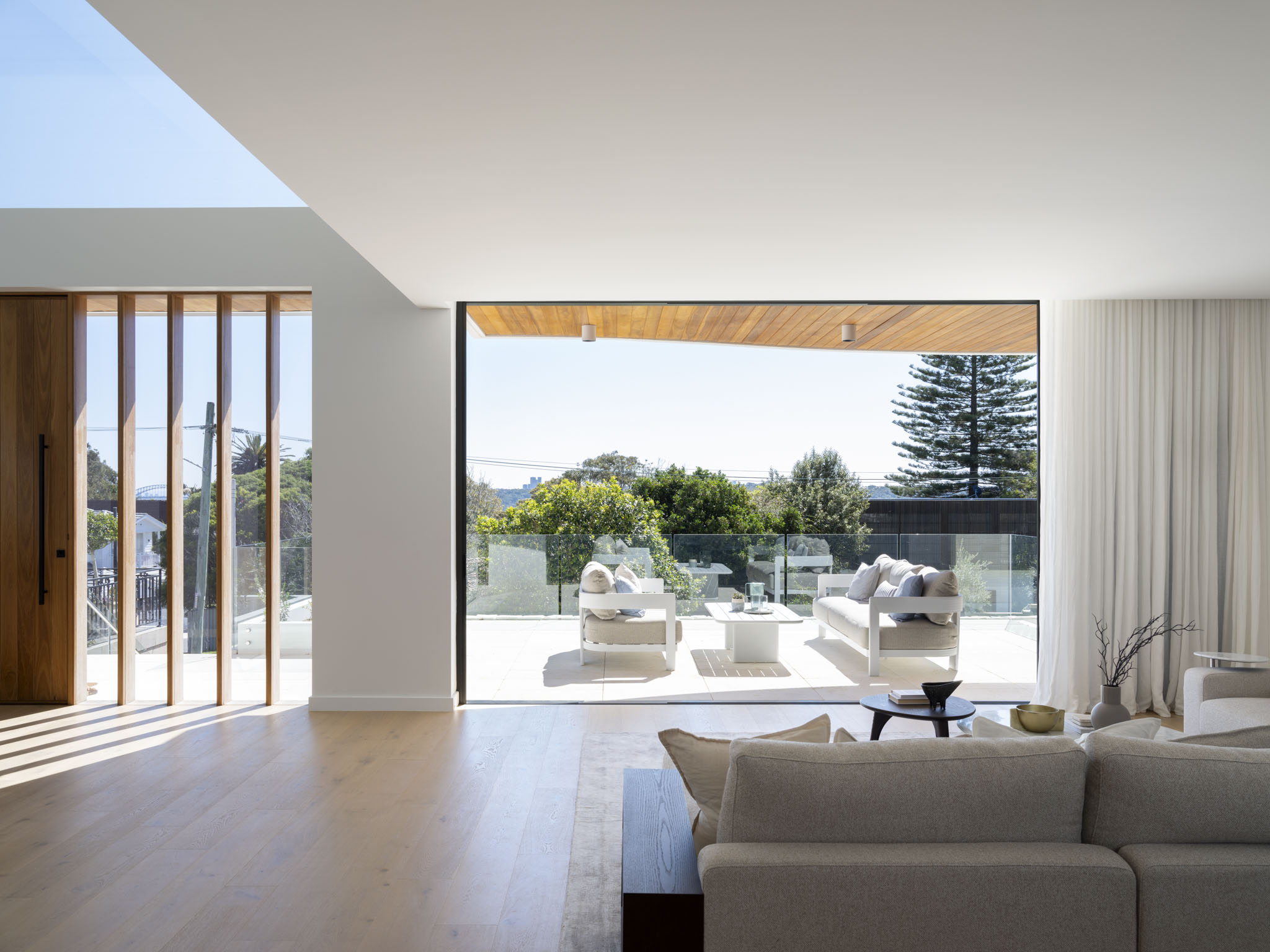
Image 5: The AZ house living room comfortably shaded by the upper-level balcony.
Once a site is secured, this is where our role as architects truly begins.
The role of the architect is to interpret these site conditions — sun, slope, privacy, vegetation, access and acoustics — and transform them into a thoughtful, cohesive design that enhances daily living and long-term value.
With over 25 years of experience in high-end residential design, we work closely with clients to explore the full design potential of their site and guide them from first ideas through to a refined, buildable home.
If you’ve recently secured a site — or are about to — we’d be happy to discuss the design opportunities your site presents.