Latest News
What makes a home feel calm?
5 Minute Read
04/06/2026


Excepteur sint occaecat cupidatat non proident, sunt in culpa qui officia deserunt mollit anim id est.
5 Minute Read
04/06/2026
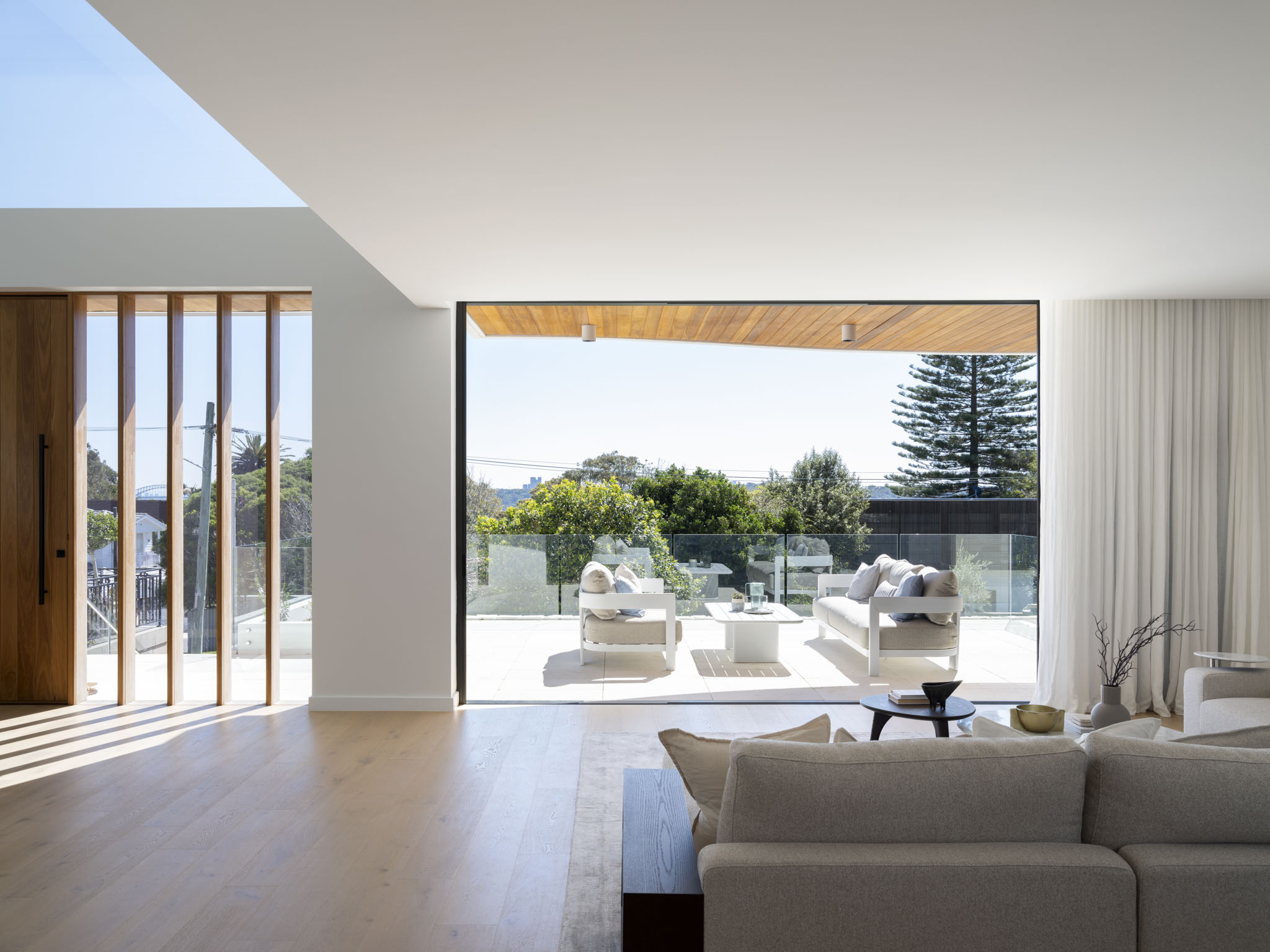
Photo 1: AZ HOUSE – The main living space seamlessly connects to views, the landscape and an alfresco area
Have you ever entered a home and immediately felt a sense of calm?
Perhaps it was a holiday house where you spent some time relaxing, or maybe it was your own home welcoming you after a busy day. Some homes seem to have the ability to instantly make us feel more relaxed, comfortable and at ease.
Yet not all homes achieve this.
So what are the qualities that make a home feel calming? And how can architecture and design contribute to our everyday wellbeing?
The answer is rarely in a single feature. Great homes feel calm because many design decisions work together to create an environment that supports relaxation, comfort and connection.
Below we break down some of the elements that can help create a calmer and more enjoyable home.
CONNECTION WITH GREENERY
Human beings have a natural affinity with nature.
Homes that provide visual connection to green areas, gardens, trees and parks often feel more relaxing than those that do not. Even a small internal courtyard or carefully placed indoor plants can strengthen our connection to nature and improve our sense of wellbeing.
Whether it is a large garden view or a single tree framed through a window, greenery has a remarkable ability to soften a space and create a sense of calm.
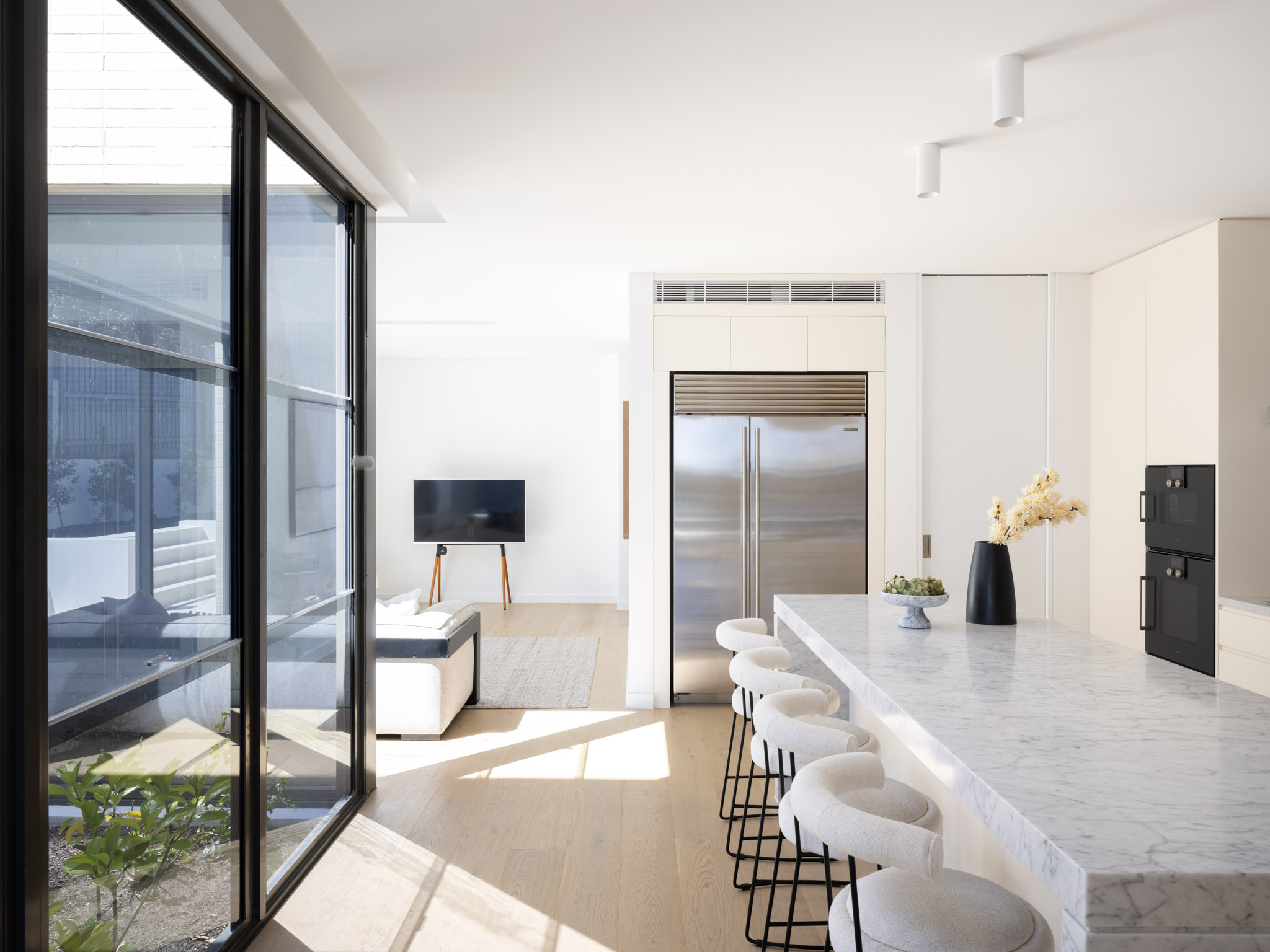
Photo 2: AZ HOUSE – The kitchen opens up to a central courtyard and its greenery
NATURAL LIGHT IN ABUNDANCE
Why are architects obsessed with natural light?
Because natural light improves almost every aspect of a home.
Spaces that receive abundant daylight generally feel warmer, more welcoming and more uplifting than darker rooms. Direct sunlight, particularly during the morning hours, can have a significant impact on how a space is experienced.
Whenever possible, homes should be designed to maximise natural light through careful orientation, larger windows and thoughtful planning.
CONNECTION TO THE OUTDOORS
Beyond visual connections, physical connections to outdoor spaces can significantly improve how a home feels.
Decks, courtyards, terraces and gardens effectively extend the living space of a home. When these areas are easily accessible and well connected, they become part of everyday life rather than spaces used occasionally.
One of the most successful design strategies is creating a seamless relationship between indoor and outdoor spaces, allowing the home to feel larger, brighter and more connected to its surroundings.
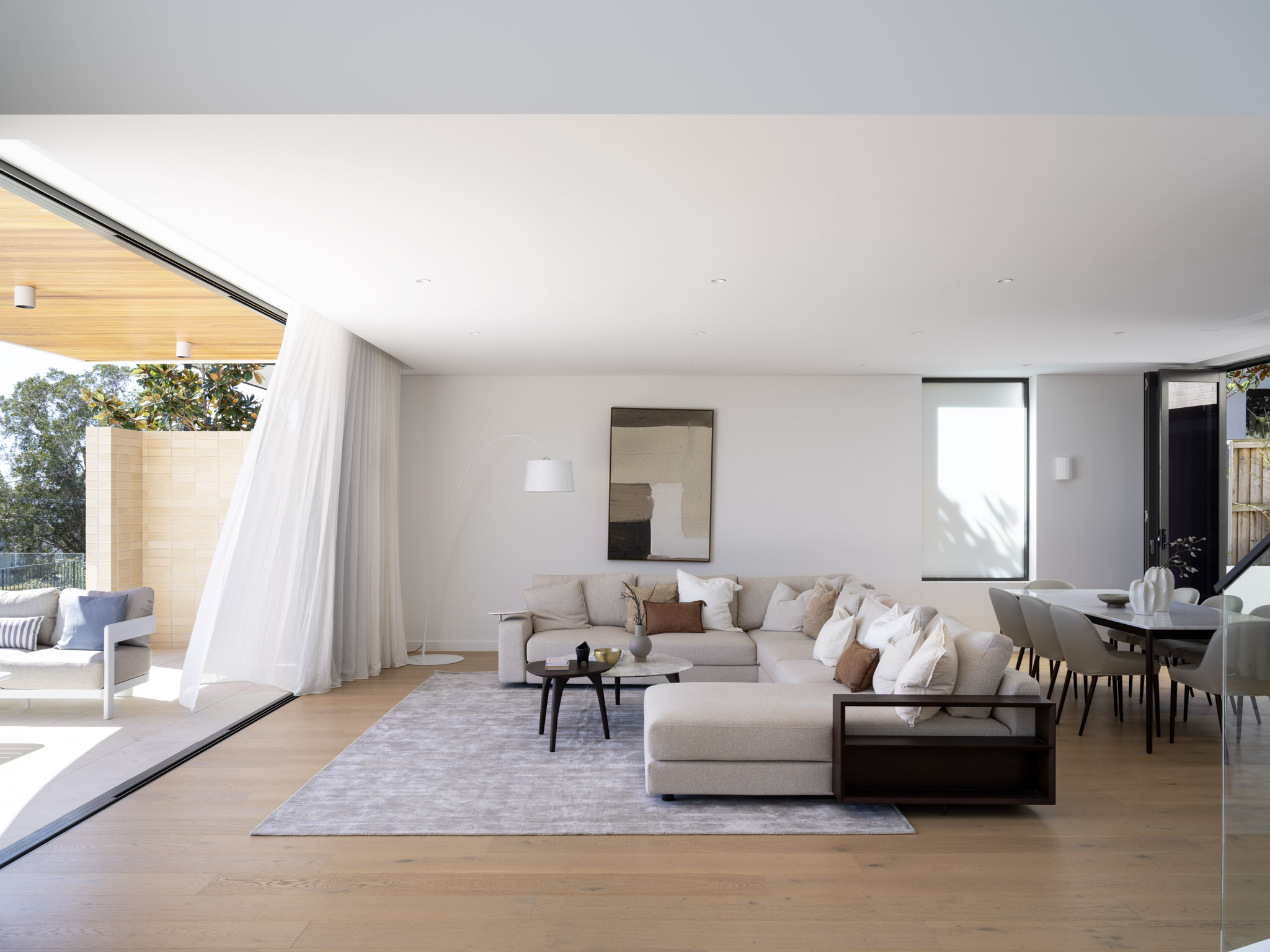
Photo 3: AZ HOUSE – The living room opens up to the front alfresco and the rear courtyard.
A SENSE OF ORGANISATION
A home that feels organised almost always feels calmer.
Visible clutter can increase stress and create a feeling of being overwhelmed. Creating dedicated storage and giving belongings a specific place can dramatically improve how a space feels.
But organisation extends beyond storage.
A sense of harmony between rooms, a consistent material palette and a logical arrangement of spaces all contribute to an environment that feels ordered and comfortable.
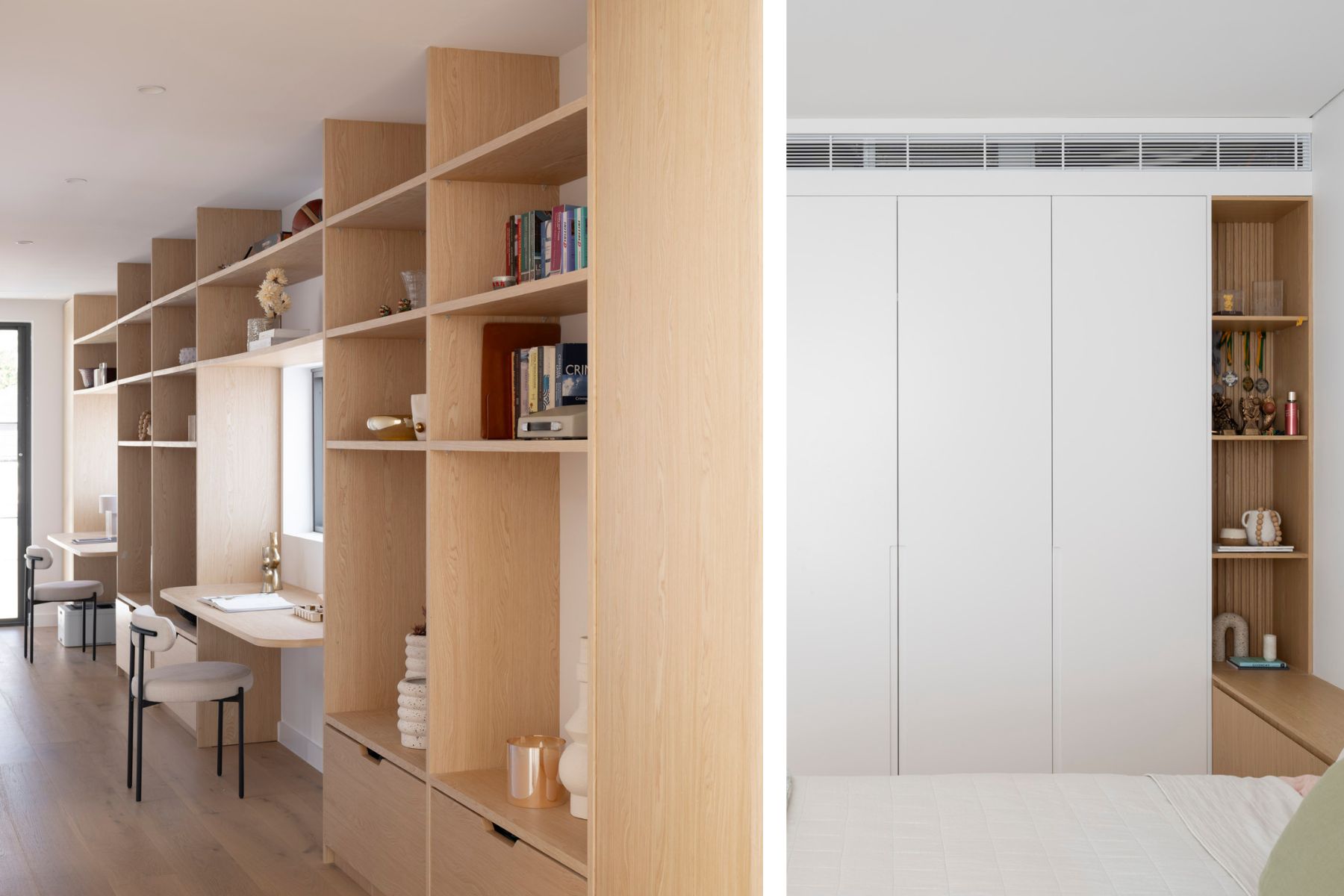
Photo 4: AZ HOUSE – The bespoke joinery creates room for storage and spaces to organise personal items.
GENTLE MATERIALS AND TEXTURES
The materials we surround ourselves with influence how we experience a space.
Natural materials such as timber, stone, linen and natural fibres often create a warmer and more calming atmosphere than highly reflective or synthetic finishes.
Texture also plays an important role: think linen curtains, natural timbers, natural fibres that add depth and softness to a home, improving the tactile experience.
THE PRESENCE OF WATER
Human beings are water creatures. Our connection to water and the ocean is directly linked to our wellbeing.
Most people associate water with relaxation, whether it is a day at the beach, sitting beside a pool or listening to rainfall.
Incorporating water into a home will have a positive effect on how the home feels. This might take the form of a pool, a water feature or even views towards the ocean.
Water introduces movement, reflection and a sensory quality that can greatly enhance wellbeing.
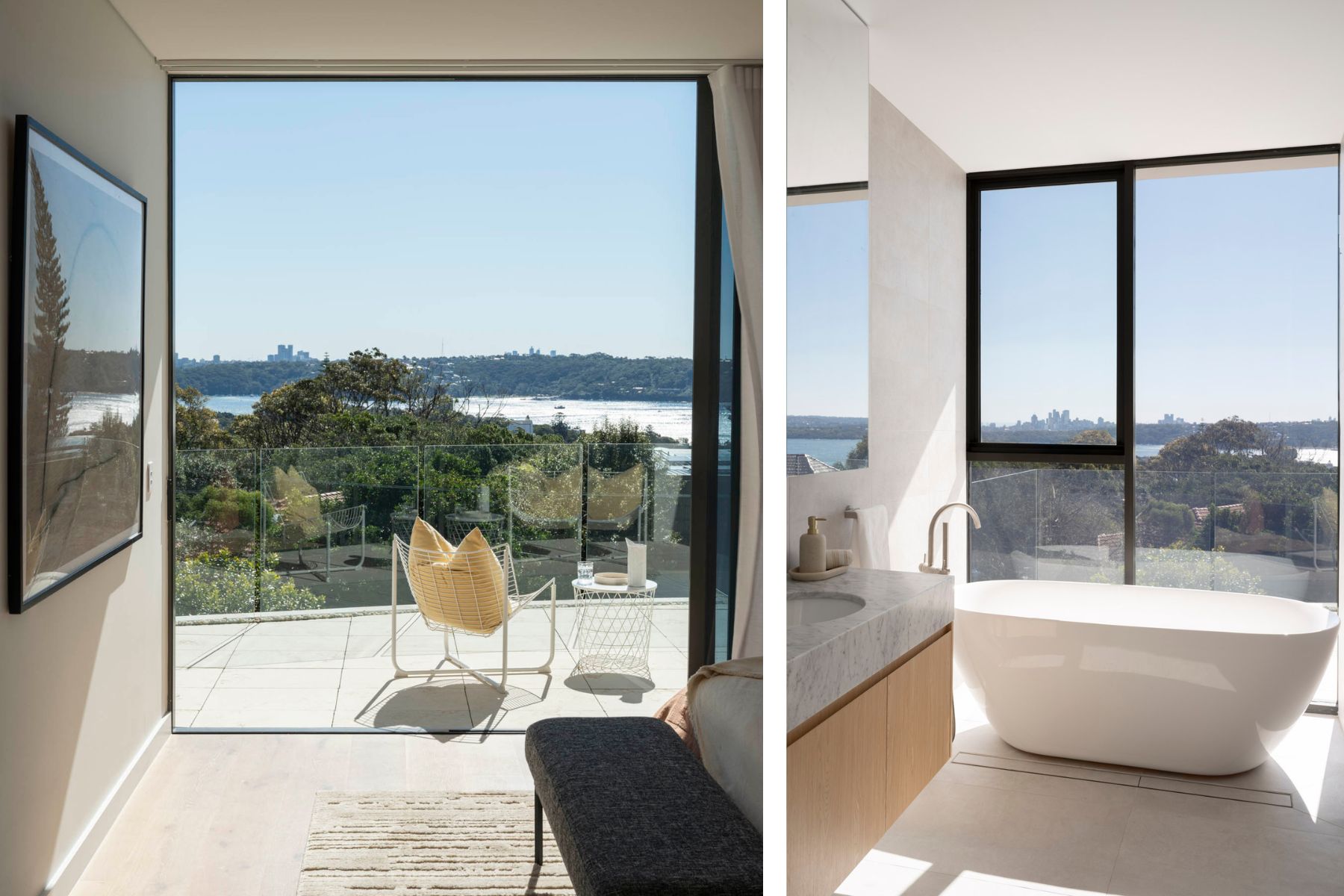
Photo 5: AZ HOUSE – The master bedroom and ensuite enjoy abundant water views
UNOBSTRUCTED VIEWS
Views have a profound influence on how a space feels.
When the eye can travel beyond the boundaries of a room, the space feels larger and more expansive. Even a relatively small apartment, can feel generous if it enjoys views towards the horizon, landscape and sky.
The more visual depth a room has, the greater its sense of openness and calm.
And when those views include nature and water, those benefits are greater.
GOOD LIGHTING
We talked about natural light, but artificial lighting is equally important.
The most comfortable homes rely on layers of lighting rather than a single source. Reading lamps, wall lights, step lights and indirect lighting, all those elements independently will create layers of lighting that can be adjusted depending on the use of the space.
For example, a wall light beside a bath can create a far more relaxing atmosphere than bright overhead downlights. The ability to adjust lighting levels and create different moods contributes significantly to an increased sense of comfort.
FLOW OF SPACE
The more continuous the space flows, the calmer it will feel.
A well-designed home should feel intuitive to move through. Spaces should unfold naturally, without zigzag circulation or unnecessary steps.
Our brains feel comfortable when it can understand the space simply.
That’s not to say that you can’t create surprising elements, but rationalising the flow of spaces is usually a great way to make the home feel calm and enjoyable.
ROOM PROPORTION AND SCALE
High ceilings will usually make a space feel more generous and calming.
It is easy to think about a space that had the opposite effect, and how a very low ceiling can make us feel compressed and uncomfortable.
But it is not only the height alone that matters. Proportions are what truly creates comfort.
If you overuse high ceilings in too many areas of your home [I mean super high ceilings] the home can also feel a bit too grand and therefore lose its cosiness. It is all about well-balanced and well proportional spaces. Nothing is designed without an intention, and the understanding of how each space relates to the next as a sequence to be experienced.
BREATHING SPACES
In well-designed homes, not every millimetre is occupied.
When a living room is well furnished you can see some spaces left over around the sofas and chairs [and that is not wasted space]. The furniture benefits from some free breathing spaces around it, so it doesn’t feel cluttered or with too much all together. Elegant rooms let the space move around the elements of furniture creating a beautiful and relaxed composition.
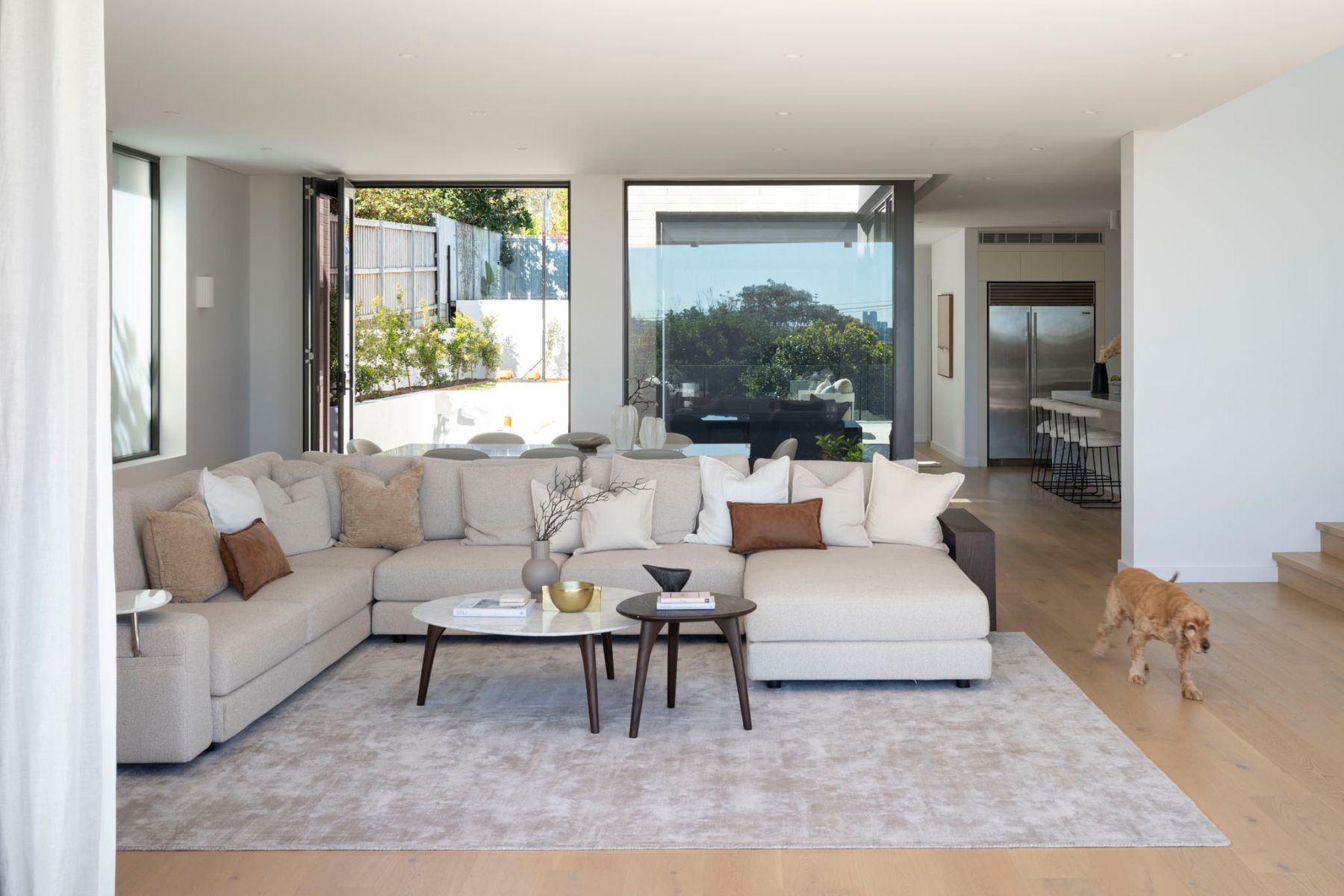
Photo 6: AZ HOUSE – The furniture at the living room is not cluttered and has plenty of free space surrounding it.
PERSONAL ITEMS AND MEMORIES
While architecture establishes the framework of a home, the decorative items play an important role in making a home feel calm.
Family photographs, travel souvenirs, artwork and other objects can all contribute to a sense of belonging.
These items connect us with memories, experiences and people we care about, enriching our daily lives and reinforcing the connection with our homes.
DEDICATED SPACES OF RELAXATION
Finally, having dedicated spaces for relaxation in your home will help it feel more calming.
This could be:
a cosy chair with a nice reading lamp for you to enjoy your favourite book
a bath perfectly located towards the view
a sitting area close to the fireplace
a kitchen where direct sun light hits the bench every morning
a deck chair overlooking the pool
a magnolia tree close to the entry
These spaces may seem simple, but they support the small habits that sustain and create enjoyment to everyday life.
DESIGNING FOR WELLBEING
As an architect I have the privilege of creating many spaces that can positively influence others and how they live.
Most of these elements can be intentionally designed to create a home that feels calm. However they don’t act alone. Much like the notes of a musical composition, you will need a combination of those elements to create a space that feels calming and positively improve your daily wellbeing.
Maybe not all those items are available to you but even if you change a couple of them, you could immensely improve the way your home is experienced and enjoyed.
So, in your view, what aspects of your home help you feel truly relaxed? And what changes could make it even better?