Latest News
Two simple, free measures that help prevent mould in your home
5 Minute Read
18/03/2026


Excepteur sint occaecat cupidatat non proident, sunt in culpa qui officia deserunt mollit anim id est.
5 Minute Read
18/03/2026
Mould in Sydney homes
Mould is a widespread issue in homes across Sydney and New South Wales, Australia. According to recent data, around 20.6% of people in NSW reported experiencing mould in their home in the last 12 months, which is slightly higher than the national average of around 18–19%. In addition, broader estimates suggest that between 10% and 50% of Australian homes may be affected by indoor dampness and mould to some degree.
Beyond being unsightly, mould can have adverse effects on health, particularly for those with asthma, allergies, or sensitive respiratory systems. As moisture and condensation issues became more recognised as a health and building risk, the National Construction Code (NCC) introduced provisions to manage condensation beginning with the NCC 2019 edition, with further refinements in the NCC 2022 edition to better address condensation and mould risks in residential buildings.
The good news is that two of the most effective ways to prevent mould are simple, free, easy to implement, and largely depend on how well a home is designed and used.
So, what are those two simple measures you can apply to your house today to help prevent mould?

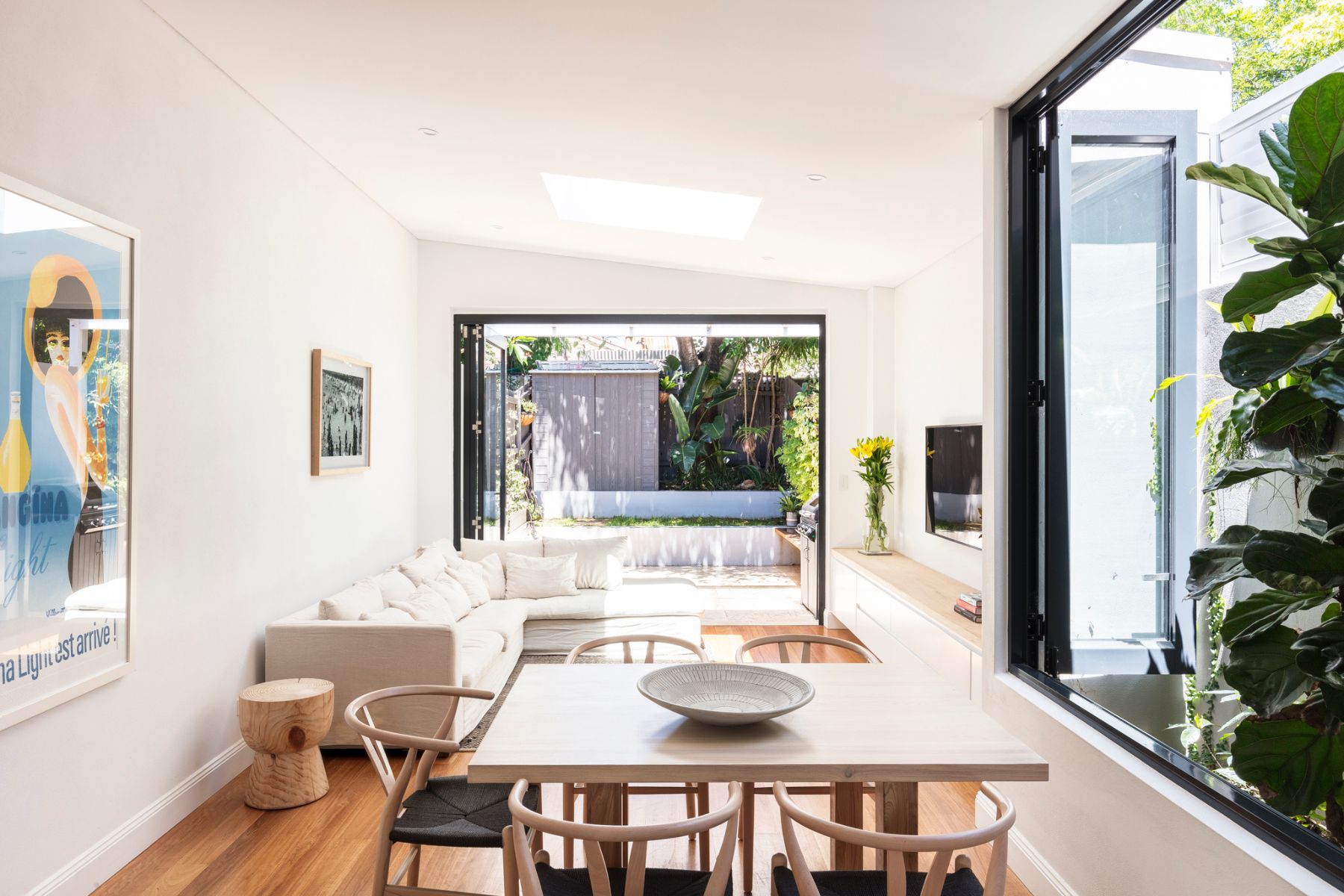
IMAGE 1: Cross ventilated living room allows air to easily flow through – House in Vaucluse designed by Cristina Gomes Architecture and Design
NATURAL VENTILATION
Moisture inside a home is unavoidable. Everyday activities such as cooking, showering, drying clothes, and even breathing release water vapour into the air. If this moisture has nowhere to go, it can condense on cooler surfaces like walls, ceilings, and windows, creating ideal conditions for mould to develop.
In my home country, Brazil, where the climate is hot and humid, opening windows for natural ventilation is an instinctive daily habit. But when I lived in London and now in Sydney, I’ve noticed many locals tend not to open windows regularly — thinking it simply “lets the heat in.”
However, by keeping windows closed, we miss the opportunity to give our houses a daily “breath of fresh air” or what is called “house burping”: meaning allowing the house to purge and refresh its air quality. Natural ventilation helps exchange indoor air, regulate humidity, and reduce the likelihood of mould growth.
The most effective approach is cross-ventilation: having openings on opposite sides of a space so air flows through the home. Architects carefully design for this because it improves airflow, cooling and indoor air quality.
DIRECT SUNLIGHT: NATURE’S NATURAL DISINFECTANT
Sunlight plays another important role in preventing mould.
By letting natural light into your home — especially on walls, floors, and other surfaces, the ultraviolet (UV) rays in sunlight help inhibit mould growth and kill spores. Simply opening curtains and blinds for a period each day can make a meaningful difference in keeping your home dry and healthy.
Like ventilation, the effectiveness of sunlight depends on design decisions such as room orientation, window placement, use of skylights and the windows size. A well-designed house allows more natural light into the spaces, reducing dark, damp areas where mould thrives.
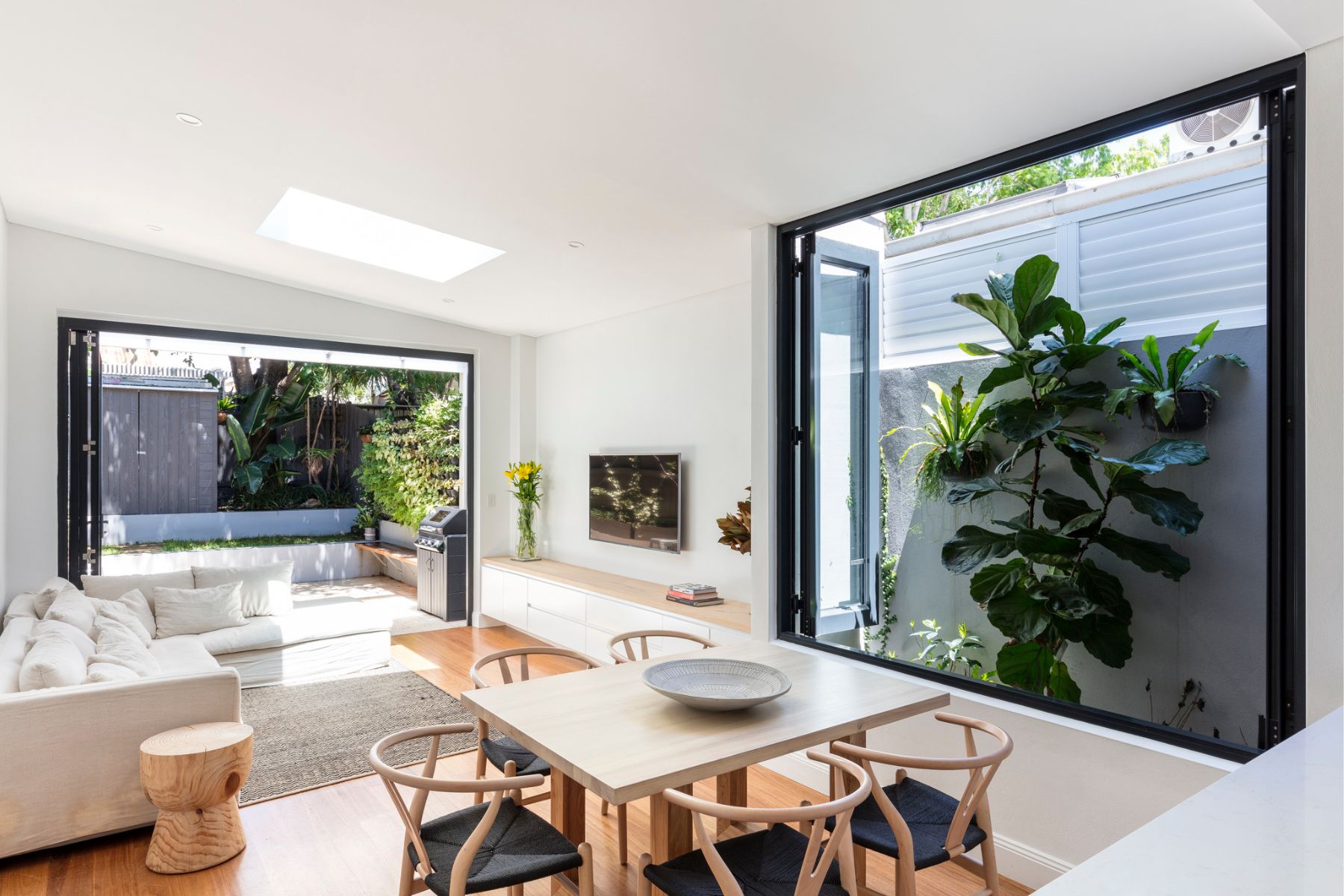
IMAGE 2 : This Terrace House in Rozelle lacked natural light and opportunities for cross ventilation. The renovation brought plenty of natural light with the smart location of windows, skylight and a side garden that while of a reduced size, was more than sufficient to create a lot more opportunity for natural light and fresh air to enter the terrace.
WHY DESIGN MATTERS
While opening windows and letting in sunlight may seem simple, the ability to do so effectively still depends on decisions made early in the design and construction process.
Factors that influence a home’s natural ventilation and light include:
A well-designed home considers these elements from the beginning, allowing natural airflow and daylight to support the health and comfort of occupants.
NCC AND CONDENSATION: WHAT CHANGED?
Condensation — a key driver of mould growth — is now addressed in the National Construction Code through specific provisions designed to reduce moisture accumulation in buildings.
The NCC 2019 edition introduced the first mandatory condensation management provisions aimed at reducing the risk of condensation build‑up in residential buildings. These requirements were then expanded and refined in the NCC 2022 edition, including improved verification methods and additional guidance to manage condensation risk and minimise mould potential.
This shift recognises that moisture control is vital for occupant health and building performance, and ties into broader efforts to improve indoor environmental quality.
A SIMPLE STRATEGY TO START TODAY
Preventing mould doesn’t require complex technology or expensive solutions. Often, the most effective measures come from thoughtful design and simple daily habits.
By ensuring your home receives fresh air through natural ventilation and sunlight each day, you can keep indoor spaces dry, comfortable, and healthy. These two measures, opening windows and letting sunlight in, are free, readily available, and among the most powerful tools for maintaining a healthier home.
For climate comfort, try to adapt the timing: on hot summer days, open windows early in the morning or later in the evening to enjoy cooler airflow, while in winter, aim for midday to let in the warmer sunlight and air.
With these simple habits, you’re not just preventing mould — you’re also creating a brighter, fresher, and more comfortable living environment every day.
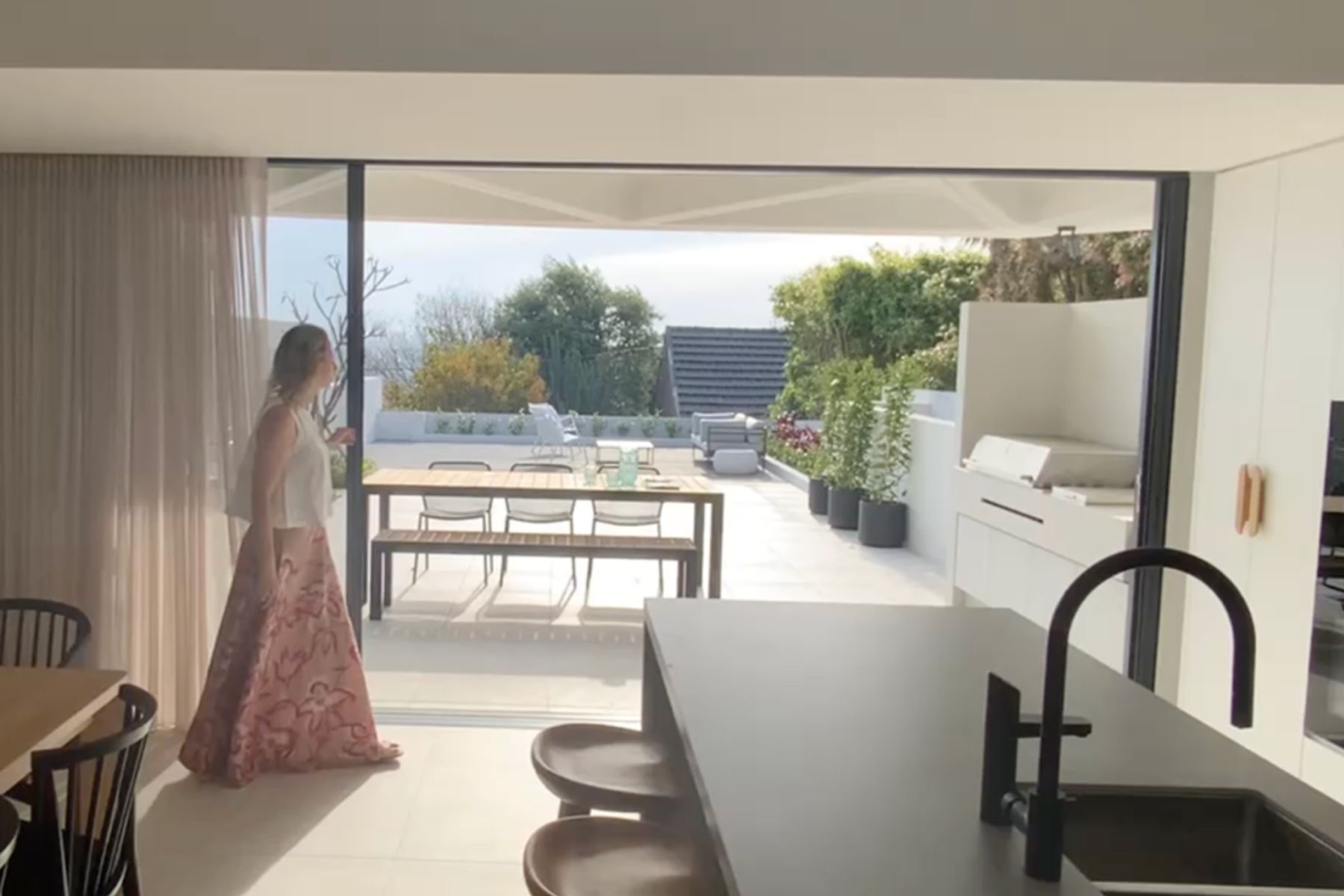
IMAGE 3: An invitation to open the windows and let the fresh air come in! The large bi-fold doors in this project help connect the kitchen, dining and outdoor area, in the IC House in Dover Heights.