Latest News
You are more ready than you think to start your project
5 Minute Read
25/02/2026


Excepteur sint occaecat cupidatat non proident, sunt in culpa qui officia deserunt mollit anim id est.
5 Minute Read
25/02/2026
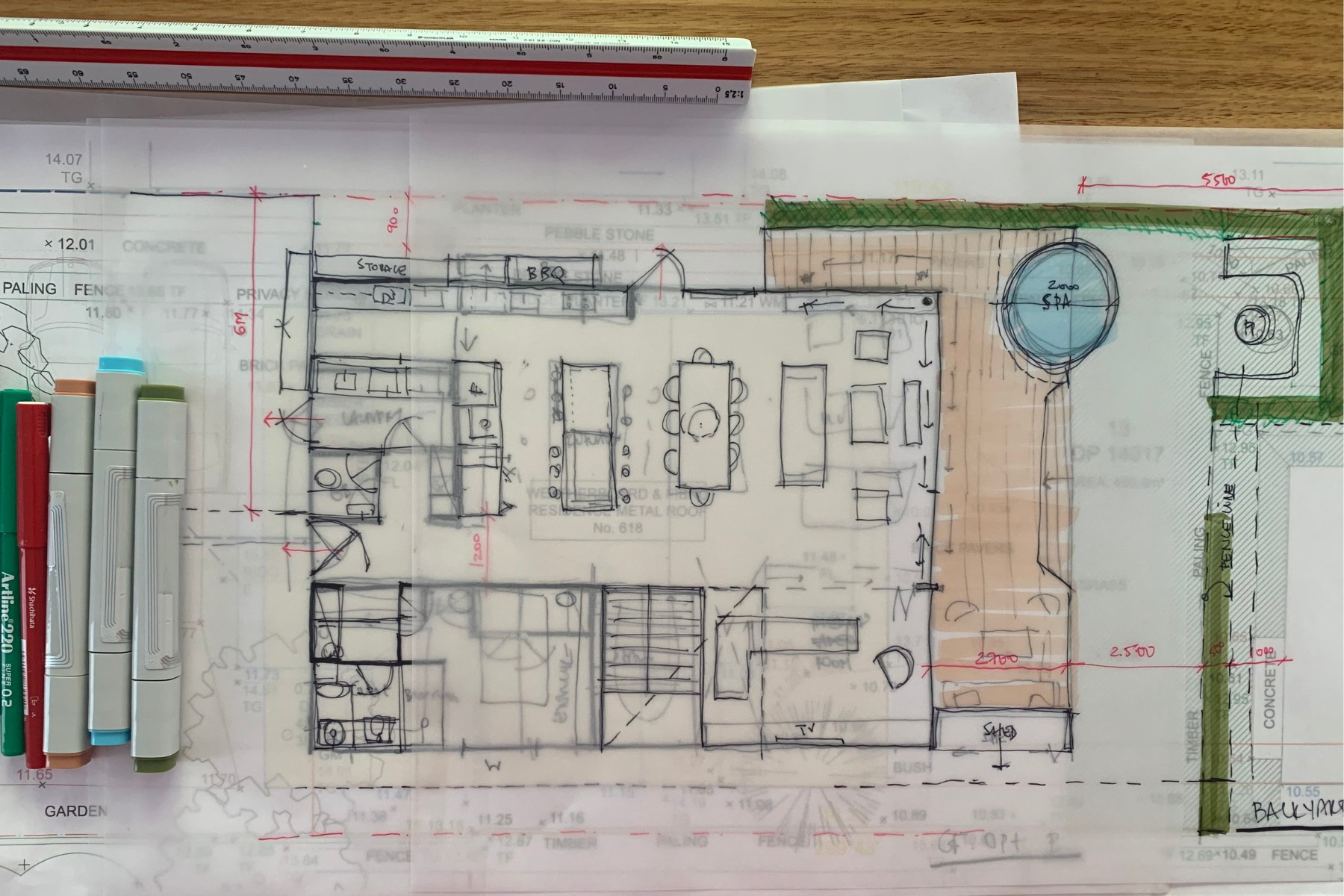
Photo 1: A CONCEPT DESIGN SKETCH – WHERE THE DESIGN BEGINS
7 THINGS YOU DON’T NEED TO KNOW BEFORE YOU BEGIN
Many homeowners delay starting their project because they feel they don’t yet have:
In reality, you don’t need any of those fully resolved to begin.
In this article, I will walk you through 7 items clients often believe they must decide before starting, why they are not required yet and what truly maters instead, for a strong beginning!
1. YOU DON’T NEED TO CHOOSE A STYLE
Clients often feel pressured to define their homes as “modern”, “coastal” or “contemporary” before the project begins. However architecture is not about selecting a label.
Style emerges naturally as we understand your site, your lifestyle and your priorities.
If you are aiming for a unique and well-designed home, Styles [especially historical styles] are more a reference than a recipe to be followed. The design will grow from context and intention, not from a predefined aesthetic category.
2. YOU DON’T NEED TO SELECT THE FINISHES YET
You don’t need a mood board filled with tiles and tapware. Similarly to the style, the selection of finishes will play an important role later, as part of the design process.
At the beginning, we focus on volume, structure, planning and light.
What is helpful instead?
Bring a few images of rooms you like and houses you think are beautiful. That’s excellent at the beginning.
3. YOU DON’T NEED A RESOLVED FLOOR PLAN
You don’t need to know whether the kitchens should move or where the new entrance should be.
It is sufficient for you to say that “the kitchen feels too small” or “ we need more storage” or “ we don’t have enough room for a large dining table, and we would love to entertain more people”.
The architect’s role is to translate your needs into well-proportioned spaces. And she will do it supported by experience, technical knowledge and spatial understanding.
4. YOU DON’T NEED TO UNDERSTAND PLANNING CONTROLS
Planning regulations are complex and constantly evolving.
What your neighbour was able to build, may no longer be permitted.
Understanding these constraints and identifying opportunities within them is part of the value of having an architect involved.
During the concept design stage, the architect will research what is possible and advise on the most appropriate path of approval tailored for your project.
5. YOU DON’T NEED A LOCKED-IN BUDGET
At this early stage, many ideas are still being explored.
Without basic floor plans and some visuals, you are unlikely to be able to get an estimate on the overall cost of construction.
Once the design direction becomes visible, clients are better equipped to consult with builders on cost estimates and then decide whether to adjust scope or investment, based on the value and long-term return.
Clarity early leads to better financial decisions.
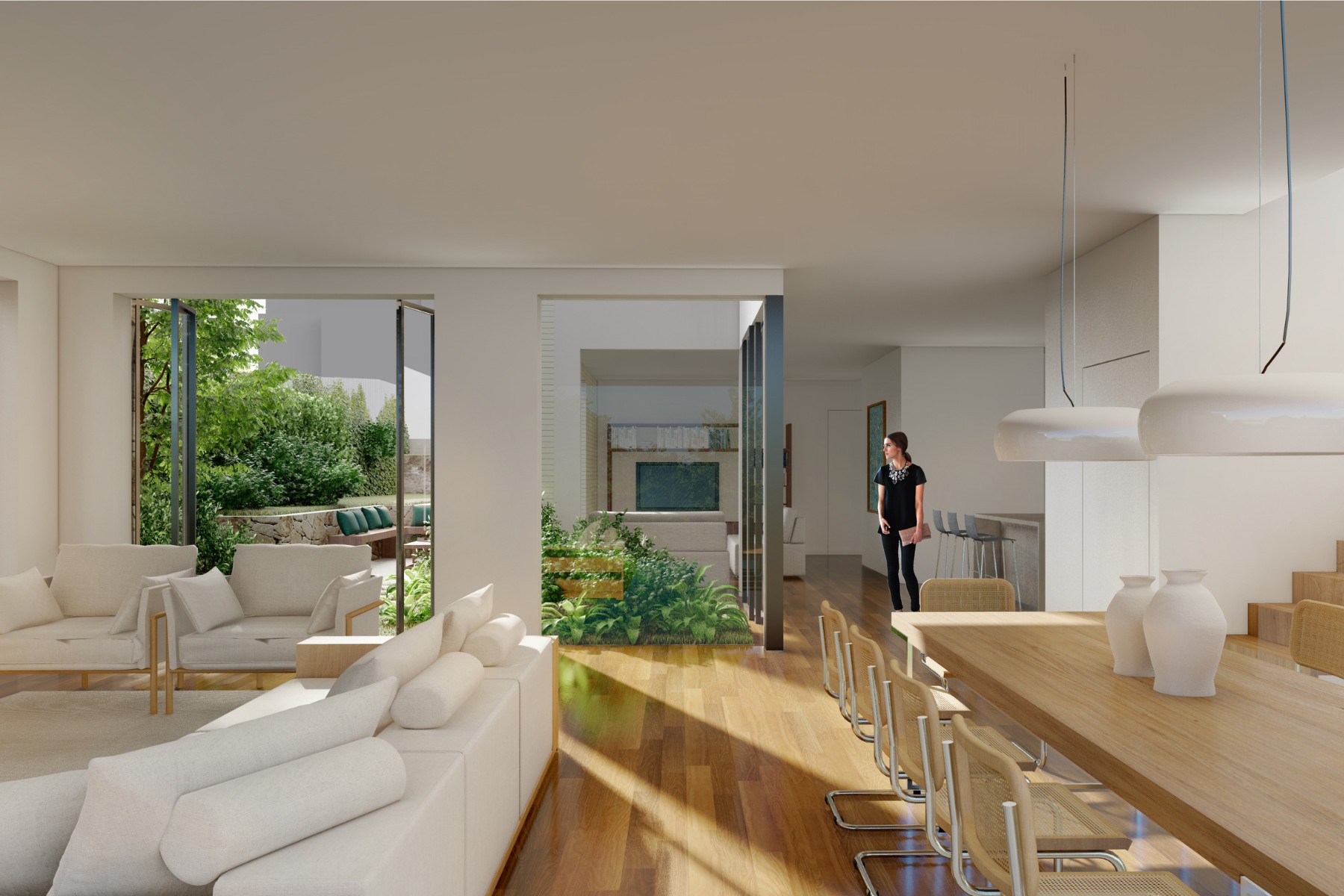
Image 2: A Concept Design rendered image: defining the project style and direction
6. YOU DON’T NEED A BUILDER, AN ENGINEER OR A PLANNER
You don’t need to know who your builder is, before you contact an architect.
Once appointed, your Architect can recommend a trusted team of consultants they have worked with before and are confident of their competence.
The same is true for a builder. The architect will have a few builders to recommend based on their experience.
This ensures the team is aligned and working together towards the same objective.
7. YOU DON’T NEED TO HAVE ALL THE ANSWERS
You don’t need complete certainty to begin.
In fact, arriving with openness often leads to stronger projects.
The design process exists to give you those answers, as we together walk through the many decisions every project requires.
What is helpful instead?
If you are considering starting a design project, you could prepare the following:
HOW WE START
Our projects begin with a Concept Design.
This is the stage where we analyse your brief, your site, planning controls and context.
Concept design is about experimentation, analysis and choices. Moving you from uncertainty to excitement.
If you feel you may be more ready than you thought to contact an architect, get in touch with us and let’s start your project with the first step, a concept design.